Monday, July 15, 2024

The Most In-Demand Jobs in Germany


The Most In-Demand Jobs in Germany


Germany stands as a powerhouse in Europe, renowned for its strong economy, technological innovation, and robust industrial base. The job market in Germany reflects its dynamic economic landscape, with certain professions emerging as particularly sought-after due to evolving industry trends, demographic shifts, and technological advancements. Here, we explore some of the most in-demand jobs currently shaping the German job market.

FIN NOW JOBS IN GERMANY


1. IT Specialists and Software Engineers

In an increasingly digital world, IT specialists and software engineers are indispensable across various sectors in Germany. From automotive industries integrating smart technologies to healthcare sectors adopting digital solutions, the demand for skilled professionals adept in software development, cybersecurity, and data analysis remains consistently high. Companies are actively seeking individuals who can innovate, troubleshoot complex systems, and drive digital transformation.


2. Engineers (especially Mechanical and Electrical Engineers)

Germany's engineering prowess is legendary, and the demand for engineers, particularly in mechanical and electrical fields, continues to grow. The automotive industry, renewable energy sector, and manufacturing industries rely heavily on skilled engineers to design, maintain, and optimize processes and products. With a focus on sustainability and efficiency, engineers with expertise in automation, robotics, and renewable energies are particularly sought after.

FIN NOW JOBS IN GERMANY

3. Healthcare Professionals

Germany's aging population and advancements in medical technology have amplified the demand for healthcare professionals. Doctors, nurses, and healthcare administrators are crucial to maintaining the country's renowned healthcare system. Additionally, there is a growing need for specialists in fields such as geriatrics, palliative care, and mental health, reflecting demographic trends and evolving healthcare needs.


4. Data Scientists and Analysts

As businesses across all sectors increasingly rely on data-driven insights, the demand for data scientists and analysts continues to soar. Whether in finance, marketing, or logistics, professionals who can interpret complex data sets, develop predictive models, and derive actionable insights are highly sought after. Fluency in programming languages, statistical analysis, and machine learning is particularly valuable in this field.

5. Skilled Tradespeople

Germany places a high value on vocational education, and skilled tradespeople such as electricians, plumbers, and carpenters are in high demand. With ongoing construction projects, renovations, and infrastructure developments, there is a consistent need for qualified craftsmen who can deliver quality workmanship across residential, commercial, and industrial sectors.


FIN NOW JOBS IN GERMANY

6. Business Development Managers

With Germany being a hub for international business and trade, skilled business development managers are essential for fostering growth and expanding market reach. Professionals with strong communication skills, cultural awareness, and strategic acumen are valued for their ability to establish and nurture partnerships, particularly in global markets.


7. Language Specialists and Translators

Given Germany's position as a key player in the European Union and its strong global ties, proficiency in languages such as English, French, and Mandarin is increasingly valuable. Translators and interpreters play critical roles in facilitating communication across borders, particularly in sectors such as international law, diplomacy, and multinational corporations.


8. Digital Marketing and E-commerce Specialists

The shift towards online shopping and digital marketing strategies has created a demand for professionals who can navigate the complexities of e-commerce platforms, SEO (Search Engine Optimization), SEM (Search Engine Marketing), and digital advertising. Companies seek individuals who can enhance their online presence, optimize conversion rates, and effectively target digital audiences.


FIN NOW JOBS IN GERMANY


Conclusion

Germany's vibrant job market offers opportunities across a diverse range of industries and professions. Whether in technology, healthcare, engineering, or skilled trades, the demand for qualified professionals continues to grow. As the country navigates demographic shifts and embraces technological advancements, staying abreast of these in-demand roles can provide valuable insights for those seeking to advance their careers or explore new opportunities in Germany.

FIN NOW JOBS IN GERMANY

Thursday, July 11, 2024

The Most In-Demand Jobs in Italy

The Most In-Demand Jobs in Italy


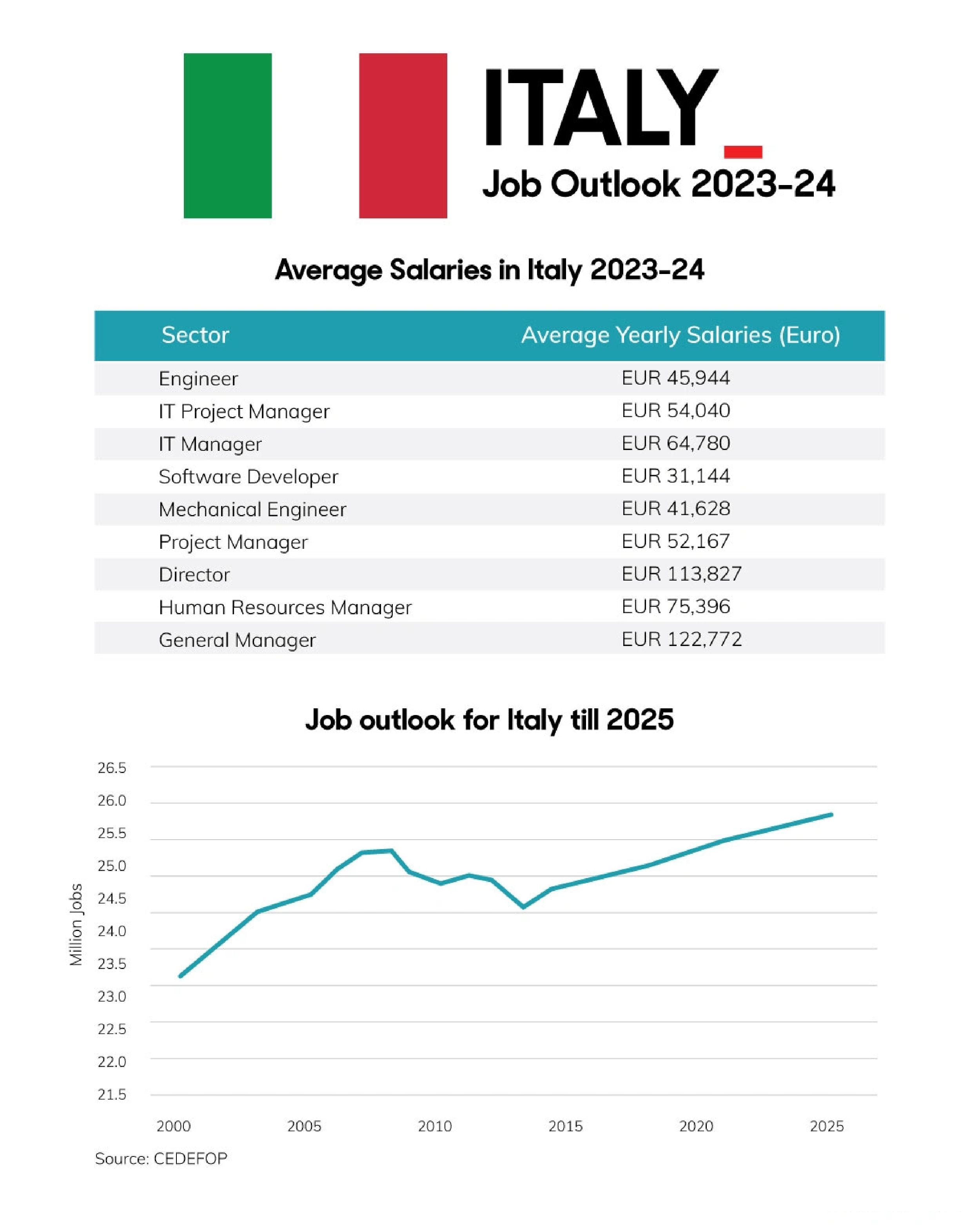
Italy, known for its rich cultural heritage and vibrant economy, continues to evolve in terms of its workforce demands as we enter 2024. The job market in Italy reflects a blend of traditional sectors and emerging industries, driven by technological advancements and changing consumer behaviors. As we navigate the complexities of a post-pandemic world, certain professions have emerged as particularly crucial to the Italian economy. Here’s a look at some of the most in-demand jobs shaping the employment landscape in Italy.

FIN NOW JOBS IN ITALY


1. Digital Marketing Specialists

In an increasingly digital world, businesses in Italy are prioritizing their online presence and digital marketing strategies. Digital marketing specialists are in high demand across various sectors, helping companies optimize their online campaigns, analyze consumer behavior, and enhance their brand visibility in a competitive market.


2. Software Developers and IT Specialists

With the acceleration of digital transformation, the demand for skilled software developers and IT specialists remains robust. Italian companies are investing heavily in technology infrastructure, cybersecurity, and software solutions, driving the need for professionals adept at programming languages, cloud computing, and AI technologies.


FIN NOW JOBS IN ITALY


3. Healthcare Professionals

The healthcare sector continues to be a cornerstone of the Italian economy, especially in light of ongoing public health challenges. There is a significant demand for healthcare professionals such as nurses, doctors, and medical specialists, as well as experts in public health management and epidemiology.

4. Green Economy Experts

Italy is committed to sustainable development and the transition towards a greener economy. As a result, there is growing demand for professionals in renewable energy, environmental science, sustainable agriculture, and green architecture. Jobs in these sectors not only contribute to environmental conservation but also drive economic growth through innovation and investment in renewable technologies.


5. Data Analysts and AI Specialists

Data-driven decision-making is crucial for businesses aiming to stay competitive in the global market. Data analysts and AI specialists are highly sought after in Italy, as companies seek to harness the power of big data, machine learning, and artificial intelligence to drive efficiency, improve customer experiences, and predict market trends.


FIN NOW JOBS IN ITALY


6. E-commerce and Logistics Managers

The rise of e-commerce has revolutionized consumer behavior, leading to increased demand for professionals skilled in e-commerce management, logistics, and supply chain optimization. E-commerce platforms and logistics companies are expanding their operations in Italy, creating opportunities for individuals with expertise in digital retail and efficient distribution networks.

7. Financial Advisors and Consultants

In uncertain economic times, individuals and businesses alike rely on financial advisors and consultants for expert guidance. The demand for professionals in finance, accounting, and investment advisory services remains steady, as Italians seek to navigate complex financial landscapes and plan for future growth.


8. Language and Cultural Specialists

Italy's thriving tourism industry continues to attract millions of visitors each year. Professionals proficient in languages, cultural heritage, and tourism management are essential to providing enriching experiences for tourists and promoting Italy’s cultural heritage globally.

9. Education and Training Professionals

As industries evolve, there is a growing need for education and training professionals who can equip the workforce with the skills needed for tomorrow’s jobs. Teachers, vocational trainers, and online educators play a crucial role in preparing individuals for careers in emerging fields such as digital literacy, entrepreneurship, and vocational trades.


FIN NOW JOBS IN ITALY


10. Cybersecurity Experts

With the increasing frequency of cyber threats, cybersecurity experts are indispensable to safeguarding businesses and individuals from malicious attacks. Demand is high for professionals skilled in cybersecurity strategies, network security, ethical hacking, and data protection compliance.

Conclusion

The job market in Italy in 2024 reflects a diverse range of opportunities across traditional sectors and emerging industries. From digital marketing and software development to healthcare and green economy initiatives, professionals with specialized skills are driving innovation and economic growth. As Italy continues to adapt to global trends and technological advancements, these in-demand jobs will play a pivotal role in shaping the country’s future workforce and economic landscape.


FIN NOW JOBS IN ITALY


Friday, January 19, 2024

Mastering the Art of Perception: A Guide to Branding and Identity Design


In a world saturated with options, brands need to stand out. Beyond product quality and catchy slogans, a strong brand identity is the key to carving a distinct space in the minds of consumers. This is where the potent duo of branding and identity design takes center stage.

Defining the Essence: What is Branding?

Branding is the strategic process of shaping how your audience perceives your company, product, or service. It's about crafting a compelling narrative that resonates with your target demographic and sets you apart from the competition. This narrative encompasses your core values, mission, and personality, and manifests in tangible ways through your identity design.

Visualizing the Story: The Power of Identity Design

Identity design is the creative arm of branding, giving your narrative a visual language. It's a symphony of elements that work together to communicate your brand essence effectively. From the iconic swoosh of Nike to the timeless script of Coca-Cola, each element – logo, colors, typography, imagery – plays a crucial role in shaping perception.


The Elements of a Powerful Identity:

Logo: The undisputed face of your brand, your logo should be memorable, versatile, and representative of your essence.

Color Palette: Colors evoke emotions and influence mood. Choosing the right palette sets the tone for your brand, whether it's playful and vibrant or sophisticated and serene.

Typography: Font choice reflects personality and professionalism. From bold and playful san-serifs to elegant and refined serifs, each typeface tells a story.

Imagery: Photos, illustrations, and graphic elements add depth and emotional resonance to your brand identity.


Building a Cohesive Whole: Consistency is Key

Once established, your brand identity needs to be applied consistently across all touchpoints – website, packaging, marketing materials, social media, and even employee uniforms. This consistency reinforces your narrative and builds trust with your audience.

The Enduring Impact of a Strong Brand Identity

A successful brand identity does more than just look good. It builds trust, fosters loyalty, and drives business growth. It attracts the right customers, motivates employees, and gives your brand a competitive edge.

Ready to Craft Your Story?

Building a strong brand identity is an ongoing process. By understanding the power of branding and identity design, and applying its principles strategically, you can craft a narrative that resonates with your audience and propels your brand towards success. So, are you ready to write your own chapter in the ever-evolving story of branding?


Additional Tips:

Know your target audience: Understanding their needs, preferences, and values is crucial for crafting a relevant brand identity.

Be authentic: Don't try to be something you're not. Authenticity resonates with consumers and builds trust.

Stay flexible: As your brand evolves, so should your identity. Be open to adapting and refining your visual language over time.

Invest in professional help: While DIY branding is tempting, professional designers can bring expertise and strategic insights to your brand identity.

Remember, your brand identity is your visual voice. Use it to tell your story, showcase your unique value proposition, and make a lasting impression on your audience.


Thursday, January 18, 2024

The Power of Pixels and People: Communication and Collaboration in Graphic Design


Graphic design, at its core, is a visual language. But like any language, its true power lies not just in its symbols, but in how effectively it's spoken, heard, and understood. This is where communication and collaboration take center stage in the world of graphic design.

Beyond Beautiful Pixels:

While masterful execution and eye-catching aesthetics are vital, a graphic designer's job doesn't end with crafting pixel-perfect visuals. It's about understanding the purpose behind the design, the message it aims to convey, and the audience it interacts with. This understanding can only be nurtured through clear and consistent communication.

The Symphony of Collaboration:

Rarely does a design exist in a vacuum. From internal teams to external clients, successful projects hinge on seamless collaboration. Brainstorming sessions with copywriters, feedback loops with developers, and client consultations all form part of the creative melting pot.


Tools and Tactics for Seamless Harmony:

Clearly Defined Goals: Setting tangible objectives and aligning everyone on expectations from the outset ensures everyone is working towards the same vision.

Open and Active Communication: Regular check-ins, feedback sessions, and transparent progress updates keep everyone in the loop and avoid frustrating misunderstandings.

Embracing Diverse Perspectives: Collaboration thrives on differing viewpoints. Encouraging open dialogue and appreciating the unique strengths of each team member leads to richer, more innovative outcomes.

Harnessing the Power of Technology: Project management tools, design platforms, and collaborative cloud storage solutions facilitate seamless communication and joint efforts, even across geographies.


The Benefits of Collaboration:

Effective communication and collaboration don't just streamline workflows; they unlock a whole realm of benefits:

Enhanced Creativity: Diverse perspectives spark new ideas and lead to solutions beyond individual limitations.

Improved Accuracy and Relevance: Collaborative feedback loops help refine designs, ensuring they resonate with the target audience.

Boosted Efficiency: Clear communication and defined workflows avoid rework and delays, saving valuable time and resources.

Stronger Client Relationships: Transparency and open communication build trust and confidence, leading to lasting partnerships.


In Conclusion:

Communication and collaboration are the mortar that binds the bricks of beautiful design. By embracing open dialogue, valuing diverse perspectives, and leveraging the right tools, graphic designers can transform pixelated creations into powerful messages that resonate with the world. So, the next time you see a stunning ad, a captivating website, or even a beautifully branded coffee mug, remember, it likely owes its success not just to artistic talent, but to the power of pixels and people working in perfect harmony.


Introduction to Graphic Designing


Graphic Designing is a creative and multifaceted discipline that involves the visual communication of ideas and information. It encompasses a wide range of activities, from conceptualizing and designing logos and branding materials to creating print publications, web interfaces, and user experiences. Graphic designers use a variety of

tools and techniques to create visually appealing and effective designs that communicate messages effectively.

Key elements of graphic designing include:

  • Visual Communication: Graphic Designers use a range of visual elements, such as typography, imagery, color, and layout, to communicate ideas and messages. They must have a strong understanding of how these elements work together to create a cohesive and impactful design.


  • Problem-Solving: Graphic Designers are often tasked with solving problems through design. They need to be able to identify the core of a problem and develop creative solutions that are both visually appealing and effective in achieving the desired outcome.


  • Communication and Collaboration: Graphic Designers often work closely with clients, stakeholders, and other creative professionals to bring their designs to life. They need to be able to effectively communicate their ideas and collaborate with others to achieve the best possible results.

Graphic Designing is a versatile field with a wide range of applications. Some of the most common areas of graphic design include:

  • Branding and Identity Design: Creating logos, brand guidelines, and other visual elements that represent a company or organization.


  • Print Design: Designing magazines, brochures, flyers, and other printed materials.


  • Web Design: Designing user interfaces and experiences for websites and web applications.


  • Digital Design: Creating graphics and animations for digital media, such as social media, videos, and presentations.


  • UX Design: Designing user-centered experiences that are easy to use, intuitive, and enjoyable.

Graphic Designing is a rewarding and challenging field that requires a combination of creativity, technical skills, and problem-solving abilities. Graphic designers play an essential role in communicating ideas and information in a visually engaging and effective way.


How Graphic Designers Breathe Fire into Ideas: From Sketch to Masterpiece


Imagine a brilliant concept, a spark of inspiration waiting to ignite. But how do you take that intangible wisp and translate it into a visual reality that captivates minds and moves mountains? Enter the graphic designer, the alchemist of the visual world, the artist who wields color, form, and text as their tools.

Bridging the Gap Between Thought and Sight

The process begins with a deep dive into the essence of the idea. Graphic designers are skilled listeners, absorbing the goals, target audience, and desired emotions like a sponge. They become detectives, sifting through research and inspiration boards, unearthing hidden connections and visual cues. This rich understanding sets the stage for the true magic.

From Sketches to Pixel Dust


Pencils dance across paper, giving birth to rough sketches that explore initial concepts. Layouts evolve, fonts find their voices, and color palettes emerge like whispered promises. This iterative process is a tango between intuition and technique, where exploration meets refinement. Software becomes an extension of the designer's mind, where lines bend, images morph, and pixels coalesce into vibrant creations.

The Language of Visual Storytelling


Colors whisper unspoken words, shapes evoke emotions, and typography sings with personality. Graphic designers are fluent in this visual language, crafting compositions that tell stories without a single syllable. They harness the power of negative space, play with scale and perspective, and master the art of hierarchy to guide the viewer's eye on a preordained journey.

More Than Just Aesthetics


But beauty is just the surface layer. Great design is a strategic weapon, meticulously crafted to achieve specific goals. A well-designed logo can solidify a brand identity, a captivating infographic can illuminate complex data, and a compelling poster can spark a social movement.

Collaboration: The Secret Sauce


No design exists in a vacuum. Graphic designers thrive in collaborative environments, working hand-in-hand with clients, copywriters, photographers, and marketers. This exchange of ideas and perspectives enriches the final product, ensuring it resonates with its intended audience on multiple levels.

The Final Reveal


There's a moment of alchemy when the final design is unveiled. It's the culmination of tireless iteration, meticulous attention to detail, and a deep understanding of the brief. It's the point where an intangible idea leaps from the mind's canvas onto the real world, ready to do its magic.

Beyond the Screen


The impact of graphic design extends far beyond the digital realm. From packaging that tempts your fingertips to billboards that ignite your imagination, design shapes our daily experiences, subtly influencing our choices and emotions.

So next time you admire a beautifully crafted logo, a captivating infographic, or a poster that makes you pause, remember the unseen hand of the graphic designer, the alchemist who breathed life into an idea, transforming it from a whisper into a visual masterpiece.

The Problem-Solving Graphic Designer: More Than Just an Artist


At first glance, graphic design might seem like a purely aesthetic discipline. A canvas of pixels, a kaleidoscope of colors, and the magic wand of software weave visual spells that captivate and inspire. But beneath the surface of stunning visuals lies a crucial element often underestimated: the problem-solving muscle.

A problem-solving graphic designer is not just a skilled artist, but a strategic thinker, a communication bridge, and an innovator rolled into one. They face a unique challenge: translating abstract ideas and complex information into visual solutions that not only resonate with audiences but also effectively solve specific problems.

So, what problems do these visual alchemists tackle?

Communicating complex concepts: Imagine needing to condense years of scientific research into a single infographic. A problem-solving designer uses visual hierarchy, data presentation, and storytelling to make the intricate understandable and engaging.

Bridging the gap between brand and audience: Creating a brand identity that speaks to the target audience and embodies the company's values requires deep understanding of both. The designer becomes a translator, shaping visuals that resonate and build lasting connections.

Enhancing user experience: From app interfaces to website layouts, every visual interaction holds the potential for friction or flow. A problem-solving designer analyzes user behavior, iterates on designs, and optimizes every click to create a seamless experience.

Finding the balance between aesthetics and functionality: A beautiful design that hinders user flow or misses the brand message fails its purpose. The problem-solving designer juggles creativity with technical knowledge, ensuring visual appeal translates into impactful results.


What tools does this visual problem-solver wield?

Critical thinking: Analyzing the challenges, understanding the target audience, and identifying the core message are all vital steps before even picking up a design tool.

Research and prototyping: Gathering data, understanding user behavior, and testing various design iterations are essential to finding the optimal solution.

Collaboration: Working with clients, marketing teams, and developers requires excellent communication and the ability to incorporate diverse perspectives.

Technical proficiency: Mastering design software, understanding best practices for different platforms, and staying ahead of the curve in design trends are crucial for effective execution.


Why is this role so important?

In today's information-saturated world, visuals are the primary language of communication. A problem-solving graphic designer wields this language with purpose, clarity, and innovation. They are the ones who transform vague ideas into impactful messages, enhance user experiences, and ultimately, bridge the gap between intention and understanding.

So, the next time you marvel at a captivating infographic, a smooth user interface, or a brand identity that feels tailor-made for you, remember: it's not just artistry at play; it's the invisible hand of a problem-solving graphic designer, working tirelessly to craft solutions that inform, engage, and ultimately, make a difference.